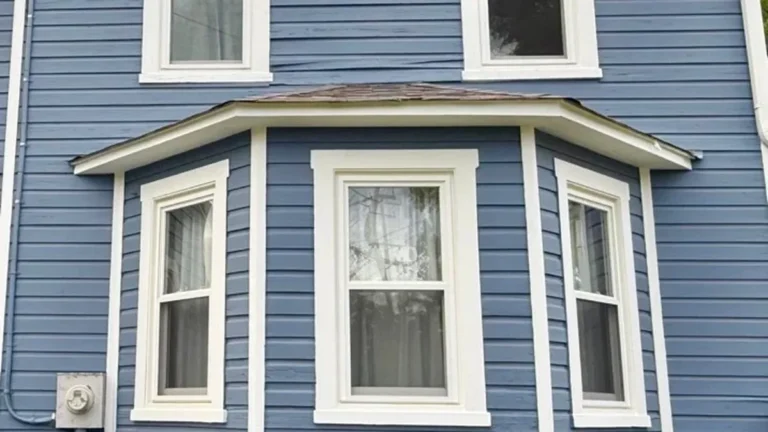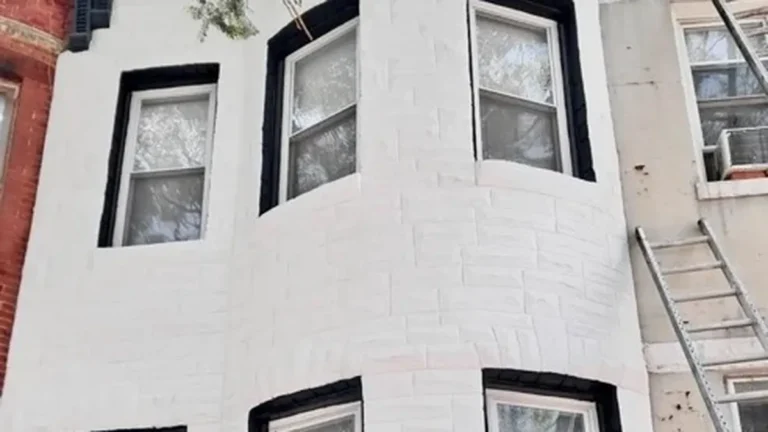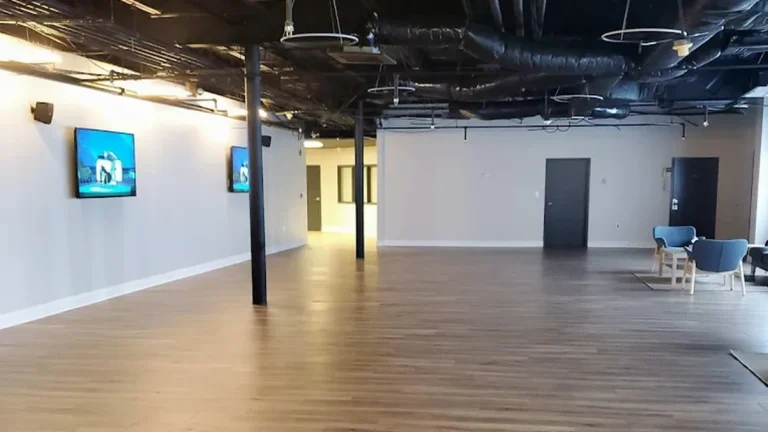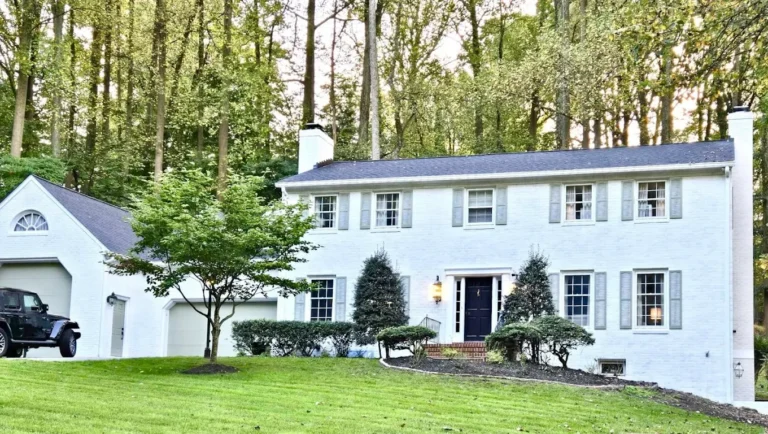
Yes, you can paint the inside of a Maryland home in winter, and the cold weather outside matters much less than it does for exterior work. What still matters is the temperature inside the rooms, how well you can ventilate, and how the schedule fits around holidays, guests and everyday routines. A winter interior project works best when those three things are planned before the first drop cloth goes down.
This guide is for Maryland homeowners thinking about repainting indoors between November and March. It covers temperature and drying, ventilation, low-VOC questions, and how to stage rooms so the house stays livable. It is a different decision from the one in our fall exterior painting guide, which is about weather outside. Here the weather only matters because of what it does to the air inside your home.
Key Takeaways
- Interior painting does not depend on rain or frost, but temperature still counts. One Sherwin-Williams interior latex data sheet says to apply at temperatures above 50°F.
- Cold slows drying. Sherwin-Williams says painting in cooler temperatures can slow dry time for latex paints.
- Ventilation is the winter trade-off. The EPA says most paints give off VOCs and advises as much ventilation as possible from the start of painting until 2 or 3 days after it is done.
- Water-based paints generally give off fewer chemicals than solvent-based paints, according to the EPA, and the data sheet lists a product’s VOC content.
- Do not rush drying with heat. Sherwin-Williams advises against it because heat changes can affect the color of the paint as it dries.
Is winter a good time to paint the inside of a house in Maryland?
It can be. Interior work does not depend on dry days, dew or overnight lows, so a crew can keep a schedule when exterior projects are on hold. Many homeowners also use the slower months to refresh rooms before guests arrive or before the spring rush.
The conditions that matter are indoors. The room needs to stay within the paint’s temperature range from application until the paint has cured. The air needs to move. And the work needs to be sequenced so people, pets and furniture are not in the way. If those three are handled, winter is a workable season for interior painting.
What temperature does a room need to be for interior paint?
Check the product’s data sheet, because the minimum varies. As one example, the Sherwin-Williams data sheet for Duration Home Interior Latex says to apply at temperatures above 50°F. Its drying times, a touch-dry time of one hour and a recoat time of four hours, are listed for 77°F and 50 percent relative humidity, and the sheet notes that drying and recoat times depend on temperature, humidity and film thickness.
That last point is the winter catch. Sherwin-Williams says painting in cooler temperatures can slow dry time for latex paints, so the same coat can take noticeably longer in a cool room. A heated living room is usually well within range. The rooms to watch are the ones that run cold: a sunroom, a finished basement, a bonus room over a garage, or a house where the thermostat is turned down while no one is home.
Ask your painter how they check room temperature and what they do if a space is too cool. Steady, moderate temperatures are easier on the paint than a room that swings from cold to warm during the day.
How do you ventilate without losing all your heat?
This is the main winter trade-off, and the guidance pulls in two directions. The EPA says most paints give off VOCs, and advises using exhaust fans to remove paint fumes and providing as much ventilation as possible, continuously, from the start of painting until 2 or 3 days after it is finished. Product data sheets say the same in plainer terms: open windows and doors, or otherwise bring in fresh air, during application and drying.
Sherwin-Williams adds a counterpoint for drying: avoid opening windows on a humid day, because moisture slows drying. It suggests fans to circulate air, positioned a few feet from the painted surface and aimed at an indirect angle, and dehumidifiers to pull moisture from the room.
In a Maryland winter that usually means a plan and not a single rule. Ask the crew how they will move air, which rooms can be ventilated while others stay warm, and what you should do on the days after they leave. The EPA also advises scheduling interior painting when the home is unoccupied where possible, and says young children, people with breathing problems and pregnant women should avoid paint vapors. If anyone in your household fits that description, tell the estimator up front so the project can be phased by room.
What should you ask about low-VOC paint and odor?
Low-VOC paint is a useful question, but it does not replace ventilation. The EPA says water-based paints generally emit fewer chemicals than solvent-based paints, and that short-term exposure to solvents from alkyd paints can be significantly higher than from latex. The Duration Home data sheet lists its VOC content as less than 50 grams per liter, which shows the kind of number you can ask a contractor to point to for the product they plan to use.
Worth asking before the project starts:
- Which exact product and sheen will be used, and can I see its data sheet?
- What is its VOC content, and does the label say anything about ventilation?
- Will any primers, sealers or patching compounds be used, and are they also low-odor?
- How will odor be managed in the rooms I use every day?
A written answer is better than a verbal one. If a painter cannot name the product, that is worth noting before you sign.
How do you plan around holidays, guests and daily life?
Staging is where a winter project is won or lost. Rooms need to be emptied or covered, furniture needs somewhere to go, and the household needs a place to sleep, eat and work while painting is under way.
- Pick the order of rooms. Start with spaces you can live without. Leave the kitchen, the main bathroom and the room people sleep in for when you have a plan for each.
- Decide what moves. Ask whether the crew moves and covers furniture or whether you should clear the room first.
- Allow for dry time, then for use. Sherwin-Williams lists a recoat time of four hours for one product under test conditions. Ask separately when the room can be used, when furniture can return and when walls can be cleaned, because those depend on the product and the room.
- Build around holidays. Late November and December are busy. If guests are coming, ask for a finish date that leaves a buffer, and a backup plan if drying runs slower than expected.
- Cover the floors and the paths. Ask how drop cloths, hallways and stairs are protected, especially in a house that stays occupied.
We do not promise a cure time. Cold, humid rooms can take longer, and the data sheet for the specific product sets the guidance. Our interior painting process guide walks through a typical timeline, and our cost guide explains what drives the price of a project.
What should a winter interior estimate cover?
Use this table as a checklist of questions for any contractor, including us.
| Question to ask | Why it matters in winter | What a good answer sounds like |
|---|---|---|
| What temperature will the rooms be kept at? | Cold rooms slow drying, and data sheets list minimum application temperatures | A named range tied to the product’s data sheet |
| How will the rooms be ventilated? | The EPA advises as much ventilation as possible during painting and for 2 or 3 days after | A specific plan for fans, windows and exhaust |
| Which product and sheen will be used? | VOC content, odor and drying behavior differ by product | A product name and a data sheet you can read |
| Which rooms can stay in use? | Staging decides how disruptive the project is | A room-by-room order and a plan for sleeping and cooking |
| What happens if drying runs slow? | Winter schedules need slack, especially around holidays | A buffer day and a clear way to communicate changes |
| Is the home pre-1978? | Older homes may have lead-based paint under newer coats | Lead-safe practices confirmed before sanding or scraping |
If your home was built before 1978, ask about lead-safe work practices before any sanding or scraping and review the EPA’s Renovation, Repair and Painting Program information. This is not a do-it-yourself removal topic.
Frequently Asked Questions
Is it too cold to paint inside in winter?
It depends on the room and the product. One Sherwin-Williams interior latex data sheet says to apply above 50°F, and cooler temperatures can slow drying. Most heated living spaces are within range, while cold basements and sunrooms may not be.
Can I use a space heater to make the paint dry faster?
Sherwin-Williams advises avoiding heat to speed up drying, because heat changes can affect the overall color of the paint as it dries. It suggests circulating air with fans and using dehumidifiers instead.
How long should I keep ventilating after painting?
The EPA advises continuing ventilation until 2 or 3 days after painting is finished. Your contractor should tell you what that looks like in your home and for the product being used.
Can we stay home while the rooms are painted?
Often, with planning. The EPA recommends scheduling interior painting when the home is unoccupied where possible and advises young children, people with breathing problems and pregnant women to avoid paint vapors. Phasing the work by room and keeping the rest of the house ventilated can help.
Ready to plan a winter interior project?
The most useful next step is an on-site look at the rooms, the products and your schedule. Request a free estimate or call us at (410) 657-2468, and we will walk through the room conditions, the product options and a realistic timeline with a backup plan. You can also read about our interior painting services.