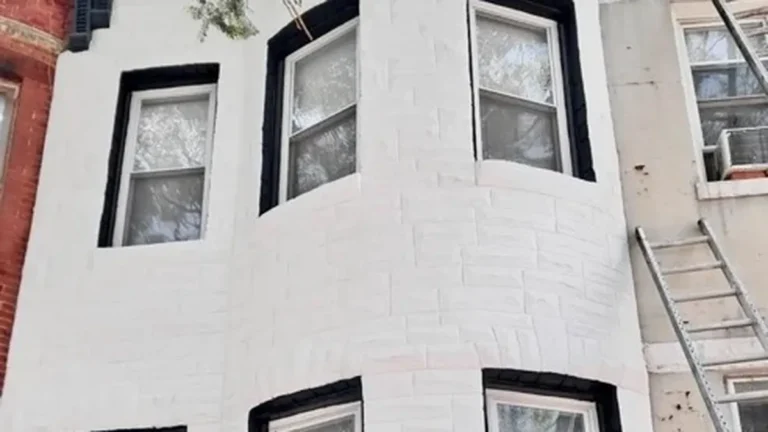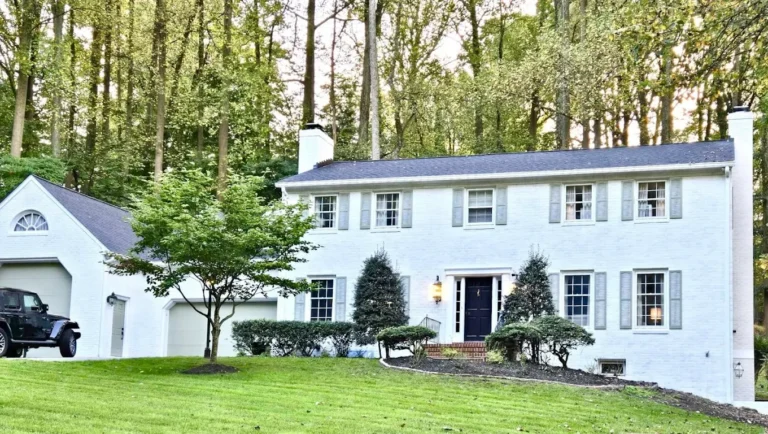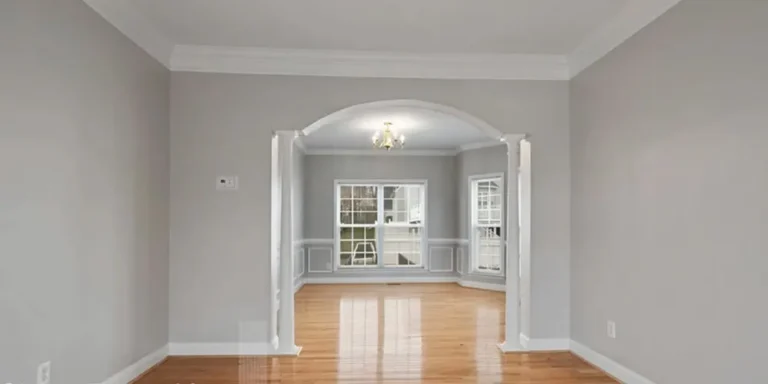
Painting before you sell is usually worth considering when the paint is visibly worn, personal colors are strong, or repairs are showing, and it is best planned backward from your listing date. Start with a walkthrough of what buyers will see first, fix surface problems before painting over them, choose colors that feel neutral without feeling generic, and finish early enough to leave time for touch-ups and photos. No painting project can guarantee a sale price, so the goal is to present the home in its best condition, not to promise a return.
This checklist is for Maryland sellers and for agents helping clients prepare a property for listing. It covers scope, timing, color, repairs, curb appeal and coordination with your listing plans.
Key Takeaways
- Plan backward from your listing or photo date, and leave time for weather, drying and touch-ups.
- Prioritize what buyers notice first: the entry, the front door, the main living spaces, kitchens and bathrooms, and any visibly worn or damaged areas.
- Repair before you paint. Paint over cracks, stains or peeling areas tends to show them again.
- Choose neutral but not generic colors that suit the home’s light, finishes and age.
- Avoid valuation promises. Paint can improve how a home presents, but it does not guarantee a price. Ask your listing agent what your local market tends to expect.
When does painting before a sale make sense?
Painting makes sense when the current paint is working against the home’s presentation. That might mean scuffed walls, strong personal colors, stains, faded trim, a tired front door or peeling exterior paint. It makes less sense when the paint is in good shape and the bigger issues are elsewhere, such as flooring, roofing or mechanical systems.
A useful way to decide is to walk through the house as a buyer would, from the curb to the front door to each room, and take notes and photos. Then ask your listing agent which items they think will draw comments. Agents see buyer reactions regularly and can tell you whether a room is likely to read as dated or dark. Treat that as local input, and remember it is an opinion, not a measurement.
How should you set the scope: what to paint first?
Set scope by visibility and condition, not by room count. You may not need to repaint the whole house. A narrower, well-chosen scope often covers the areas buyers see first.
Consider this order:
- Exterior touch points. Front door, trim, porch or stoop, railings and any peeling or faded areas near the entry. Our exterior painting services cover these.
- Entry and main living areas. Foyer, living room, dining room and hallways set the first impression inside.
- Kitchen and bathrooms. These rooms carry weight with buyers. Paint can refresh walls and trim, while larger changes such as cabinets are separate decisions. See our guide to cabinet painting versus replacement in Maryland if cabinets are on your list.
- Rooms with strong or dated colors. Bold accent walls or heavily personalized rooms are common candidates for repainting.
- Ceilings, trim and doors. Scuffed trim and doors can make fresh walls look unfinished.
- Garage, basement and secondary spaces. Lower priority unless they are visible or damaged.
If you are not sure how far to go, a free walkthrough can help you separate must-do items from nice-to-have ones. Interior painting scope can be limited to the rooms and surfaces that matter most for your listing.
What repairs should happen before you paint?
Repairs come first, because paint does not hide problems for long. A fresh coat over a crack, stain or loose area tends to bring the problem back into view. Common pre-paint repairs include patching nail holes and dents, repairing cracks, addressing stained ceilings after the source of the water has been fixed, caulking trim gaps, and scraping and priming peeling areas.
Two cautions:
- Moisture stains. If there is an active leak, fix the source before painting. A stain-blocking primer does not solve an ongoing leak.
- Homes built before 1978. Older homes may contain lead-based paint. Lead-safe practices apply when painting, scraping or sanding in these homes, and the EPA publishes information on its Renovation, Repair and Painting Program. Ask your contractor how they handle it, and do not attempt lead-paint removal yourself. A sale can also bring its own disclosure requirements, so check with your agent or attorney.
For historic or older Maryland homes with plaster walls and detailed trim, preparation takes extra care. Our historic home painting guide explains what that involves.
How do you choose colors that are neutral but not generic?
Choose colors that are quiet, warm or cool in a way that matches the home, and test them in the real light. “Neutral” does not have to mean the same builder beige in every room. Whites, soft grays, greiges and light warm tones can all work, but the right one depends on natural light, flooring, countertops and fixtures that are staying.
A few ways to keep it practical:
- Test samples on the actual walls and look at them in the morning, midday and evening.
- Consider the fixed elements buyers will notice, such as flooring, tile, cabinets and countertops, and pick wall colors that sit comfortably with them.
- Keep the palette consistent from room to room so the house feels connected, especially in open layouts.
- Use satin or semi-gloss on trim and doors for easier wiping, and a lower sheen on walls to soften imperfections. Your painter can recommend finishes for each surface.
- Do not pick a color because it is trending. For general color ideas, our article on interior and exterior color trends for Maryland homes is a reference, but your listing agent’s local read matters more than a trend.
If the home is in an HOA or condo, exterior colors may need approval before you paint. That can affect your timeline.
How should you time the project around your listing?
Time the project by working backward from your listing or photo date. Paint needs time to dry, rooms need time to be put back, and weather can move exterior work.
A simple planning sequence:
| Step | What to settle | Why it matters |
|---|---|---|
| 1. Walkthrough with your agent | Scope and priorities | Keeps the work focused on what buyers see |
| 2. Estimate and written scope | Rooms, surfaces, repairs, finishes | Helps you compare proposals accurately |
| 3. Color selection | Final colors and sheens | Avoids mid-project changes |
| 4. Repairs and prep | Patching, caulking, priming | Prevents problems showing through |
| 5. Painting | Interior first, exterior as weather allows | Exterior work depends on conditions |
| 6. Touch-ups and cleanup | Final walkthrough | Leaves room to fix small issues before photos |
| 7. Photos and listing | Photography and showings | Fresh paint photographs best when it is finished |
For the interior, our guide to what to expect during an interior painting project in Maryland shows how a typical project unfolds. For exterior work, weather matters, and our guide to the best time of year to paint a Maryland exterior can help you plan.
What can you reasonably skip?
You can usually skip anything buyers will not see or touch, and anything that is in good shape. Closets, utility rooms and walls with only a few scuffs may need a touch-up rather than a full repaint. Fresh paint also cannot fix a design choice a buyer will not like, such as a dated layout, so keep the budget focused on presentation, not on changes paint cannot make. If you are unsure, ask your painter to price a “must-do” scope and an “if budget allows” scope separately, so you can decide with real numbers in front of you.
How do you coordinate with your agent and your painter?
Coordinate by sharing the same timeline with both. Tell your painter your target photo or listing date. Tell your agent when the work will finish and which areas are included. If you are an agent, giving your client a short scope list and a deadline keeps everyone aligned.
Helpful points to settle in writing:
- Which rooms and surfaces are included, and which are excluded.
- Who selects colors, and when final colors must be locked.
- What happens if weather or repairs push the schedule.
- How access works if the home is vacant, tenant-occupied or still lived in.
- When a final walkthrough will happen so touch-ups are done before photos.
On the money side, avoid assuming that a specific amount spent on paint will return a specific amount at sale. If you want to compare costs, our guides on interior painting costs in Baltimore and exterior painting costs in Maryland explain what drives pricing, and a written estimate for your home will be more useful than any average.
Planning to paint before you list?
We can walk through your home, help you set a practical scope, and provide a written proposal you can share with your agent. Request a free estimate or call (410) 657-2468. You can also browse our gallery or contact us with questions.