Interior house painting in Owings Mills, Maryland, typically costs between $3,000 and $9,000 for an average-sized home. However, the final price depends on the home’s square footage, the number of rooms being painted, the condition of the walls and ceilings, the amount of preparation required, and the paint products selected.
A smaller project involving only a few rooms may cost less than $3,000, while painting a large home with extensive repairs, detailed trim, high ceilings, or multiple colors could exceed $9,000. Because every home is different, the most reliable way to establish a budget is to schedule an in-person estimate with a professional interior painting company.
Average Interior Painting Cost in Owings Mills
For many Owings Mills homeowners, a complete interior painting project falls within the $3,000-to-$9,000 range. This estimate generally covers labor, standard preparation, paint, supplies, and cleanup. Homes with relatively smooth walls and a straightforward color plan will usually fall toward the lower or middle portion of that range.
Larger homes or interiors that require significant repairs are more likely to fall toward the upper end. The price can also increase when homeowners want ceilings, doors, baseboards, crown molding, closets, stairways, and other detailed surfaces painted in addition to the walls.
Pricing an interior painting project based only on square footage can be misleading. Two homes with identical floor plans may have very different costs if one has walls in excellent condition while the other has cracks, stains, peeling paint, or damaged drywall. A detailed estimate should account for the actual condition and complexity of the home.
How the Size of Your Home Affects Painting Costs
The size of the home is one of the most important factors affecting interior painting costs. A small townhouse or condominium usually requires fewer gallons of paint and fewer labor hours than a large single-family home. However, painters must consider the amount of paintable surface area rather than simply the home’s total floor space.
An open-concept room with high ceilings may contain more paintable wall space than several smaller rooms with standard eight-foot ceilings. Homes with large foyers, vaulted family rooms, finished basements, or multiple staircases can also require additional equipment and labor.
The number of rooms matters because each room must be prepared individually. Furniture may need to be moved, floors and fixtures must be protected, and edges must be carefully cut in around windows, doors, ceilings, and trim. Even relatively small rooms can require considerable time when they contain several architectural details.
How Much Does It Cost to Paint One Room?
Painting a single standard-sized room in Owings Mills may cost approximately $400 to $1,000. A small bedroom with walls in good condition may fall near the lower end, while a large primary bedroom, family room, or living room could cost more.
The estimate may increase if the project includes the ceiling, doors, closets, baseboards, crown molding, or window trim. Changing from a very dark color to a light color can also require a separate primer and additional coats of paint.
Although painting one room is less expensive than repainting an entire house, completing several rooms at the same time may offer better overall value. Painters can organize materials, equipment, preparation, and cleanup more efficiently when they complete a larger project during one scheduled visit.
Wall and Ceiling Condition Can Change the Price
Interior painting is not simply a matter of applying a new color. The quality and longevity of the finish depend heavily on how well the surfaces are prepared. Walls with nail holes, dents, cracks, stains, peeling paint, or damaged drywall require additional attention before painting can begin.
Minor holes and small imperfections may be included as part of standard preparation. More extensive damage, such as large drywall holes, water stains, loose joint tape, or widespread cracking, may require additional labor and materials. These repairs can increase the total project cost, but skipping them can leave the finished walls looking uneven.
Ceilings can also require special preparation. Water stains, previous repairs, smoke residue, and cracking may need to be sealed or corrected before the finish coat is applied. If an active leak caused the damage, the underlying moisture problem should be repaired before painting begins.
The Importance of Proper Surface Preparation
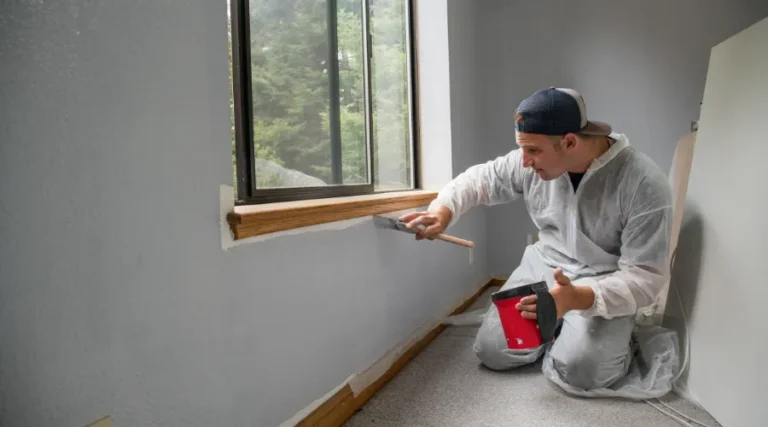
Preparation is one of the biggest differences between a quick paint job and a professional finish. Before painting, surfaces may need to be cleaned, sanded, patched, caulked, or primed. Floors, furniture, cabinets, countertops, and fixtures must also be protected.
Proper preparation helps paint adhere evenly and reduces the risk of peeling, bubbling, or visible imperfections. It also creates sharper lines around trim, doors, windows, and ceilings. While extensive preparation may increase the initial price, it helps produce a more attractive and durable result.
Perfect Painters & More explains that painting costs depend partly on surface condition and preparation requirements, including drywall repair, crack filling, wallpaper removal, caulking, and sanding. These details should be identified during the estimating process so homeowners understand what is included in the proposed price.
Does Paint Quality Affect the Total Cost?
Paint quality affects both the upfront price and the long-term value of an interior painting project. Premium paints generally cost more per gallon, but they may offer better coverage, stronger color retention, improved washability, and greater resistance to scuffs and stains.
Durable paint can be especially valuable in high-traffic areas such as hallways, kitchens, family rooms, bathrooms, playrooms, and entryways. Homes with children or pets may also benefit from washable finishes that are easier to clean.
The selected finish influences the appearance and performance of the walls. Flat and matte paints can help conceal minor imperfections, while eggshell and satin finishes offer greater durability. Semi-gloss is commonly used on trim, doors, and other surfaces that require frequent cleaning. A professional painter can recommend suitable products and finishes for each space.
Will Changing Paint Colors Increase the Cost?
Color changes can affect the number of coats and the amount of primer required. Repainting a light beige wall with a similar neutral color may be fairly straightforward. Covering dark blue, red, green, or black paint with white or another light shade may require additional coats.
Bold new colors can also require extra attention to achieve consistent coverage. Some deep or highly saturated shades do not cover as efficiently as standard neutral colors. Using several colors throughout the house can add labor because painters must switch products, clean equipment, and create precise transitions.
Homeowners can control costs by using a coordinated color palette with fewer colors. However, color selection should still reflect how each room is used, the amount of natural light it receives, and the overall character of the home.
What Additional Features Can Increase Interior Painting Costs?
Walls are often the largest part of an interior painting project, but they are not always the only surfaces homeowners want refreshed. Ceilings, doors, window frames, baseboards, crown molding, built-ins, stair railings, and cabinetry can all increase the total cost.
Trim work is particularly labor-intensive because it requires precise preparation and application. Painters may need to sand glossy surfaces, fill gaps, repair damaged areas, apply primer, and carefully create clean lines between the trim and walls.
Stairwells and two-story foyers can also cost more because they require ladders, scaffolding, or specialized equipment. These areas take additional time to access safely and paint evenly. When requesting an estimate, homeowners should clearly identify every surface they want included.
How Long Does It Take to Paint a House Interior?
A small interior painting project may be completed in one or two days, while painting an entire home can take several days or longer. The schedule depends on the size of the crew, the number of rooms, the amount of preparation, and the complexity of the project.
Drying time between primer and finish coats must also be considered. Rushing the process can affect the final appearance and durability of the paint. Professional painters create a schedule that allows enough time for preparation, application, drying, touch-ups, and cleanup.
Homeowners can help the project move efficiently by removing fragile belongings, wall decorations, and smaller pieces of furniture before the crew arrives. The painting company should explain what needs to be moved and what its team will handle.
Is Professional Interior Painting Worth the Cost?
Hiring professional painters can save time and help homeowners avoid uneven coverage, visible roller marks, paint splatters, and rough edges. Professionals also have the tools and experience needed to repair surfaces, select appropriate primers, protect the home, and work safely in high or difficult areas.
A well-executed paint job can make an older interior feel cleaner, brighter, and more current. It may also improve a home’s presentation before it is listed for sale. Neutral, professionally applied colors can help potential buyers focus on the home’s layout and features rather than damaged walls or highly personalized color choices.
Professional painting is especially worthwhile when the project involves extensive preparation, high ceilings, detailed trim, or an entire house. These projects can quickly become overwhelming for homeowners attempting to complete the work themselves.
How to Budget for Interior Painting in Owings Mills
When planning an interior painting project, homeowners should decide which rooms and surfaces are the highest priority. Painting the main living areas, entryway, hallways, and kitchen may provide the most noticeable improvement if a whole-house project is not currently within the budget.
It is also important to understand exactly what an estimate includes. The proposal should explain the preparation, number of coats, paint products, surfaces, cleanup, and any repairs included in the price. A detailed estimate makes it easier to evaluate the overall value of the service.
Homeowners should also leave some flexibility in the budget for damage discovered during preparation. Once pictures are removed or loose paint is scraped away, painters may uncover cracks, stains, or previous repairs that require additional work.
Get an Interior Painting Estimate in Owings Mills, MD
Although interior house painting in Owings Mills typically costs between $3,000 and $9,000, the exact price depends on the details of the home and the desired finish. Size, surface condition, preparation, paint quality, ceiling height, trim, and color changes can all influence the final estimate.
Perfect Painters & More provides professional interior painting services in Owings Mills and throughout Maryland. The locally owned company has more than 15 years in business and offers free consultations, thorough surface preparation, clear communication, cleanup, and a satisfaction guarantee. Homeowners can request a no-pressure estimate to better understand the cost of transforming their space. Contact us today to get started!