The difference between interior and exterior paint comes down to how each formula is engineered. Interior paint is created to provide a smooth, washable finish that looks beautiful inside your home. Exterior paint is built with stronger resins, additives, and pigments that help it withstand sunlight, rain, moisture, temperature changes, and outdoor exposure. Understanding these formulation differences ensures your project lasts and performs the way it should. At My Perfect Painters, we focus on using the right paint chemistry for the right environment so your home remains protected and visually appealing.
Interior Paint Is Formulated for Smoothness, Beauty, and Easy Cleaning
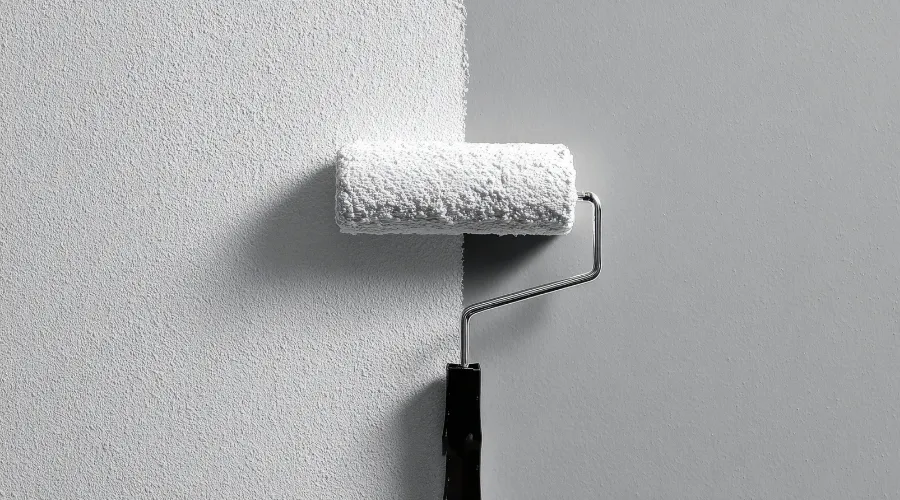
Interior paint is engineered primarily for appearance and indoor comfort. Since interior surfaces are not exposed to harsh weather or ultraviolet radiation, the formulas can emphasize visual quality instead of extreme durability. Interior paints typically use softer resins that allow the paint to level out during application. This creates a polished, smooth finish that reduces the appearance of brush strokes or roller marks.
These softer resins still provide enough strength for daily use. Interior walls need to handle cleaning, fingerprints, dust, and the occasional scuff. Paint manufacturers include additives that improve washability and stain resistance so homeowners can clean walls without damaging the finish. This makes interior paints ideal for kitchens, hallways, living rooms, and bedrooms.
Interior paint also contains significantly fewer volatile organic compounds. Because indoor spaces are enclosed, paint manufacturers focus on creating formulas with low or zero VOC levels to promote better indoor air quality. These low VOC paints are especially helpful in nurseries, bedrooms, and other rooms where air health matters.
Exterior Paint Uses Stronger Resins for Weather and Sun Resistance
Exterior paint must survive harsh outdoor conditions. Rain, direct sunlight, humidity, freezing temperatures, and constant expansion and contraction can destroy ordinary paint. For this reason, exterior paint is made with stronger and more flexible resins that help protect surfaces from these elements.
One of the most important characteristics of exterior paint is flexibility. Outdoor surfaces constantly expand and contract due to temperature changes. Exterior paint needs to stretch and move with those surfaces rather than crack or peel. Strong, elastic resins allow the paint to remain intact and maintain adhesion even when the materials underneath are shifting.
Exterior paints also contain additives that protect against ultraviolet rays. Without these protections, the sun would quickly fade or discolor the surface. Stronger pigments and UV stabilizers ensure long lasting color and prevent the paint from degrading.
Exterior formulas often include ingredients that resist mold, mildew, algae, and moisture. Since outdoor surfaces are exposed to rain and humidity, these protective additives are essential for long term performance.
Interior and Exterior Paints Use Different Pigments and Color Stabilizers
Pigments are responsible for color, but interior and exterior paints use them in different ways. Interior paint pigments are designed for rich color and a beautiful finish. They do not need to resist UV radiation or continuous weather exposure, which allows for a wide range of interior color options.
Exterior paints must use pigments that are stable in sunlight. Ultraviolet radiation can break down pigments and cause fading. To prevent this, exterior formulas use colorants designed to maintain their vibrancy under intense sunlight. This often means using higher quality and more expensive pigments to ensure long lasting color.
Titanium dioxide is a pigment used in both interior and exterior paints for brightness and clarity. However, exterior paints use this pigment in a way that improves durability and weather resistance.
Finish and Sheen Options Are Affected by the Paint’s Formulation
Interior paint offers a wide variety of sheens because homeowners use different finishes for design, durability, and cleaning needs. Flat interior finishes hide imperfections and create a soft look. Eggshell and satin finishes balance appearance with easy cleaning. Semi gloss and gloss finishes are common in kitchens, bathrooms, and trim where moisture and cleaning are more frequent.
Exterior paints offer fewer sheen extremes because very high gloss finishes show surface imperfections and reflect too much light. Outdoor finishes are engineered to reduce fading, moisture problems, and chalking. Satin and semi gloss exterior finishes are often chosen for their durability and ease of maintenance, while flat finishes help camouflage surface texture or flaws on siding or stucco.
Additives in Interior and Exterior Paint Serve Different Purposes
Additives are powerful ingredients that dramatically influence paint performance. Interior paint additives focus on smoother application, washability, leveling, stain blocking, and reduced odor. These additives allow the paint to roll on evenly and maintain a clean, attractive appearance in living spaces.
Exterior paint additives are designed for protection rather than aesthetics. They improve UV resistance, help prevent mold and mildew, increase moisture blocking, resist fading, and enhance flexibility during temperature changes. These additives allow the paint to perform reliably in outdoor environments.
Exterior Paint Contains More Flexible Binders to Prevent Cracking
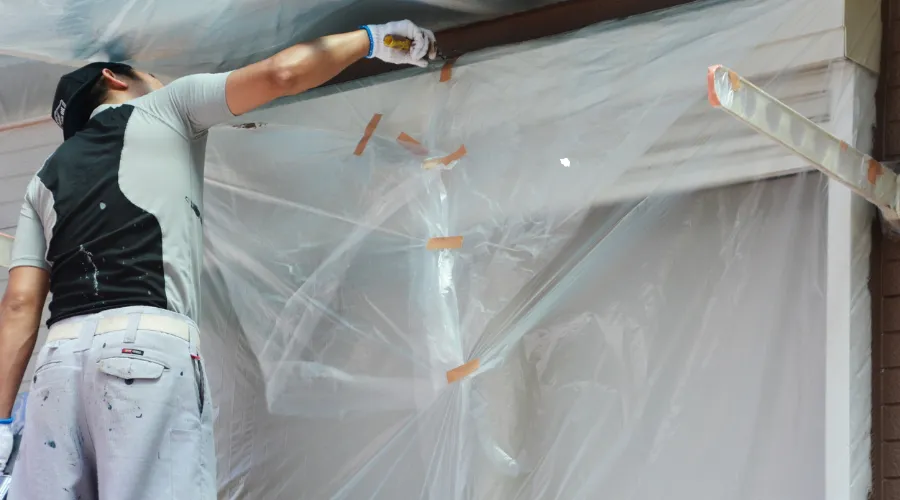
Binders are the components that hold pigment together and allow the paint to adhere to surfaces. The binders in exterior paint must be exceptionally strong and flexible. They help the paint grip textured materials such as wood grain, stucco, cement board, and siding. They also prevent cracking and peeling when outdoor temperatures fluctuate.
Interior binders focus on producing a smooth, cleanable surface rather than extreme flexibility. Indoor environments remain stable, so interior paint does not need to expand or contract with temperature changes. Instead, the binders help create a uniform, attractive finish.
VOC Levels Differ Greatly Between Interior and Exterior Paint
Volatile organic compounds evaporate from paint as it dries. Because indoor air quality is important, interior paint is formulated with lower VOC levels. Many interior paints today meet strict regulations and are available in low VOC or zero VOC versions.
Exterior paints can contain higher VOC levels because they are applied outdoors where fumes can dissipate into the open air. These VOC levels allow manufacturers to use stronger additives and resins needed for weather protection. However, exterior paint should never be used inside, since the fumes can linger and negatively affect air quality.
Why You Should Not Use Interior Paint Outside or Exterior Paint Inside
Interior paint cannot withstand outdoor conditions. It will fade, peel, crack, and allow moisture problems to develop. Mold and mildew can also grow easily on interior paint used outdoors. Exterior paint, on the other hand, is not suitable for indoor use because it produces stronger fumes, contains higher VOC levels, and does not provide the smooth, washable finish needed for interior surfaces. Using the wrong type of paint leads to poor performance and shortens the lifespan of the project.
My Perfect Painters Helps You Choose the Correct Paint for Every Project
Understanding the differences between interior and exterior paint helps homeowners make informed decisions. However, choosing the best product still requires expertise. My Perfect Painters ensures every project uses paint engineered for the exact environment, whether it is a sun exposed exterior wall or a high traffic interior hallway.
We select products that provide long lasting durability, excellent coverage, and beautiful finishes. With professional application and high quality materials, your home will look its best and stay protected for years. If you are planning a painting project, our team is ready to help you choose the right formulas and finishes to enhance and protect your home. Contact us today to get started!