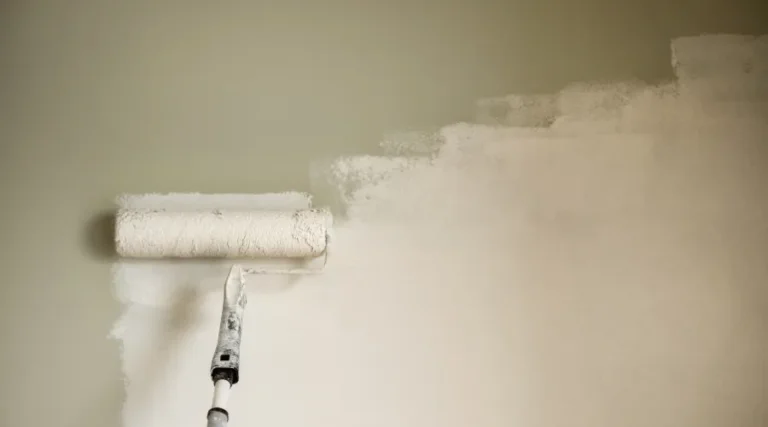
Stucco can absolutely be painted – but only when it’s prepped properly and coated with the right breathable products.
Otherwise, homeowners risk peeling, blistering, and moisture problems that can shorten the life of the exterior. For homeowners looking to refresh or protect their stucco, understanding the right process, timing, and material selection is essential.
This article explains when exterior painting for stucco should be considered, how to do it correctly, the pros and cons of painting stucco, and the best practices for long-term performance.
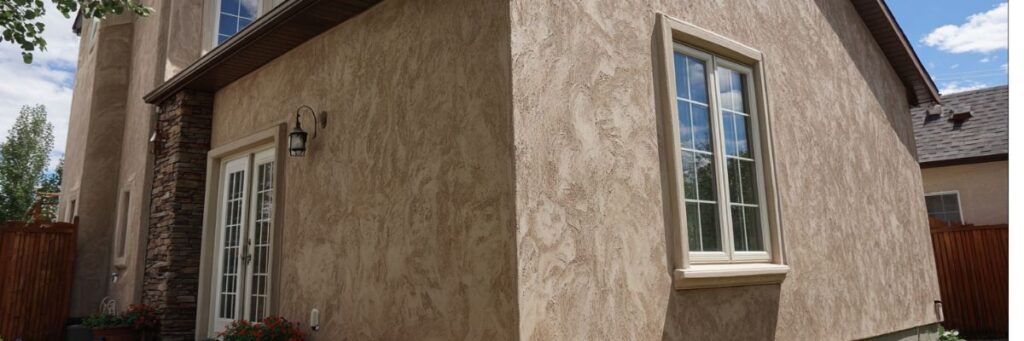
When Stucco Should Be Painted
Painting stucco is not as simple as applying a standard exterior paint. Stucco is a cement-based, porous material that interacts with moisture differently than wood, aluminum or vinyl siding. Because it must be allowed to “breathe,” the timing and surface condition play a major role in whether the paint adheres properly.
Make Sure the Stucco Surface Is Clean, Dry, and Sound
Before painting, the stucco exterior must be thoroughly cleaned and allowed to dry. Dirt, mildew, chalking, and loose debris will all prevent proper adhesion. Professional painters typically:
- Pressure wash the surface using an appropriate PSI (low enough to avoid damaging the stucco).
- Allow the stucco to dry completely, which may take 24–72 hours depending on weather.
- Repair all cracks, chips, or damaged sections using stucco patching compounds.
- Remove any failing paint if the stucco has been painted before.
A clean and properly repaired surface is the foundation of a long-lasting paint job.
Use the Correct Masonry or Acrylic Primer
If the stucco is chalky, chalk-releasing, or heavily textured, a masonry primer – specifically made for porous cementitious surfaces – should be applied. This primer helps:
- Bind loose particles
- Improve adhesion
- Equalize absorption
- Create a consistent surface for the topcoat
Not all stucco requires primer, but when in doubt, professionals often apply one to ensure maximum durability.
Choose a Breathable Paint System
Stucco walls must release moisture vapor. For that reason, a breathable paint system is critical. The recommended options include:
- 100% acrylic exterior paint
- Elastomeric coatings (when used correctly and in the proper thickness)
These products are designed to expand and contract with the stucco while allowing vapor to escape. A flat or matte sheen is preferred because:
- It hides imperfections
- It adheres well to textured surfaces
- It supports moisture permeability
Avoid glossy or non-breathable paints, which can trap moisture inside the stucco and lead to blistering, bubbling, or internal damage.
Key Pros and Cons of Painting Stucco
Painting stucco offers visual and practical benefits, but it also commits the homeowner to future maintenance. Understanding these trade-offs ensures the painting process supports the home’s long-term performance.
Pros of Painting Stucco
Painting stucco can significantly improve curb appeal and protect your home from weather elements.
Fresh, Updated Color Options
Painting gives homeowners the freedom to modernize their home’s appearance. Stucco naturally fades over time, so a fresh coat restores color richness and uniformity.
Improved Moisture and UV Resistance
A high-quality acrylic or elastomeric paint acts as an additional protective layer:
- Helps repel moisture
- Resists UV fading
- Shields the stucco from environmental damage
This protection is especially valuable in freeze-thaw climates.
Helps Bridge Hairline Cracks
Elastomeric paints are slightly flexible and can bridge small cracks, preventing water intrusion and slowing deterioration.
Cons of Painting Stucco
Once painted, stucco is no longer a near-zero-maintenance surface. Homeowners should be aware of the long-term commitment.
Future Maintenance Is Required
After painting, stucco will need to be repainted approximately every 5–10 years, depending on:
- Product quality
- Exposure to sun
- Moisture levels
- Proper application
Unpainted stucco, in contrast, typically requires little more than occasional cleaning and minor patching.
Moisture Problems if the Wrong Paint Is Used
If a non-breathable coating is applied, moisture can become trapped behind the stucco, causing:
- Blistering paint
- Efflorescence (white, powdery staining)
- Softening or crumbling stucco
- Structural damage over time
Using the correct breathable product is essential to avoid these issues.
Future Repairs Become More Complex
Once stucco is painted, matching texture and finish during repairs requires more skill, and paint must be maintained regularly to prevent patchwork fading.
Practical Guidance for Painting Stucco Successfully
Allow New Stucco to Cure Before Painting
New stucco must cure properly to avoid trapping moisture. The standard recommendation is to wait at least 60 days, or longer depending on:
- The stucco mix
- Ambient humidity
- Manufacturer specifications
Painting too soon can seal moisture into the wall system.
Select the Right Primer for Your Stucco Condition
A breathable masonry primer may be needed when:
- The stucco surface is chalky
- The existing coating is uneven
- Repairs have been made
- The absorption rate is inconsistent
The primer helps lock down dust and improves topcoat performance.
Choose a High-Quality Acrylic or Elastomeric Paint
Use only professionally rated exterior products such as:
- 100% acrylic exterior paint (most common)
- Elastomeric coatings for hairline crack protection
Both types maintain vapor permeability and offer excellent durability when properly applied.
Avoid Non-Permeable Coatings
Non-breathable coatings – including some specialty waterproofing paints – can trap moisture. These products might fix a short-term issue but create long-term damage that’s difficult and expensive to reverse.
Tailored Recommendations Based on Stucco Age and Condition
If you can provide:
- The age of your stucco
- Whether it’s been painted before
- The visible condition (cracks, chalking, staining)
A professional can determine whether the stucco should be:
- Simply repainted
- Repaired and primed
- Stripped/sandblasted
- Or even re-stuccoed in severe cases
Older stucco or stucco with layers of failing paint often requires more involved prep work to ensure a long-lasting finish.
Understanding the Long-Term Expectations of Painted Stucco
Painting stucco should not be viewed as a one-time fix but rather the beginning of a manageable maintenance cycle. This isn’t necessarily a downside – many homeowners appreciate the fresh, clean aesthetic that paint provides over decades.
Key expectations:
- Repainting every 5–10 years
- Occasional crack repairs before repainting
- Periodic washing to remove dirt and mildew
- Monitoring for moisture or blistering
With proper maintenance and the right products, painted stucco can remain beautiful and durable, even in varied climates.
When Painting Stucco Is the Best Choice
Painting is ideal when:
- The stucco is structurally sound but faded or dated
- You want a color change for a refreshed exterior
- Minor or cosmetic cracking is present
- You want added UV and moisture protection
- You plan to maintain the exterior on a predictable cycle
For many homeowners, painting provides the fastest and most cost-effective transformation for their stucco exterior.
When Painting Stucco Is Not Recommended
Avoid painting stucco if:
- The underlying stucco is failing or crumbling
- Moisture problems already exist
- Efflorescence is active
- You cannot commit to future repainting
- The stucco is still very new and uncured
In these cases, repairing the stucco system or consulting a specialist is necessary before painting.
Ready to Paint or Refresh Your Stucco? Work With Perfect Painters and More
Whether your stucco needs a full repaint, targeted repairs, or expert evaluation, Perfect Painters and More delivers high-quality craftsmanship backed by proper prep, breathable coatings, and long-term durability. We help Maryland homeowners choose the right products and application methods to protect their home and elevate curb appeal.